Updates from Letty – May 15, 2026
Blog posts are the personal views of Letty Hardi and not official statements or records on behalf of the Falls Church City Council
Dear Friends,
We adopted the FY27 budget without fanfare this week (press release here, my comments here, and you can go back to read my previous posts) so I’m going to detox from the budget in this week’s post. Instead this week’s post is about transportation with two calls to action…
- This is hitting your inboxes a little early this week to remind you that it’s Bike to Work Day. Falls Church’s pit stop is on the W&OD and Little Falls and I’ll be there this morning. Fun fact – 2 million people use the W&OD trail each year, and we’re fortunate that it runs through the spine of the city. It’s not too late to consider changing up your commute and consider a bike ride on the W&OD. Or if you work from home, take a mid day ride around the city.
- Help the city win transportation grant dollars! Your comments have helped us with several rounds of funding in the past, so you really help make a difference. There are two projects up for grant funding: a shared use path along Haycock Road near the secondary schools campus up to West Falls Church Metro station and a project to improve Annandale/S. Washington/Hillwood intersections, a corridor I’ve long lamented that needs significant pedestrian improvements. Read on for suggested blurbs where you can send your comments before this Sunday, May 17.
The rest of this post is also about transportation and in particular our Neighborhood Traffic Calming program, which was not an official agenda item, but continues to be the top community priority we hear about so I’ll share my thoughts – what we’re doing about it and what I think should change.
Look forward to hearing from you.
Best,
Letty
What Happened This Week:
(1) Transportation Improvements – Help the City win Grant Funding
The City submitted its Haycock Road Shared Use Path Project and Annandale Road Multimodal Improvements Project for regional funding consideration as part of the Northern Virginia Transportation Authority’s (NVTA) Fiscal Year 2026 to 2031 Six Year Program (SYP). Public comment is open through May 17, and is an important part of the project selection process.
Provide a public comment regarding the City’s projects (CFC-012 and CFC-013) using the NVTA FY2026-2031 Six Year Program Feedback Form.
Haycock Road Shared Use Path Project Scope
The scope of this project includes professional and construction services for a new multi-use path to better connect the W&OD Trail with the West Falls Church Metrorail Station. The project is located on the east side of Haycock Road and runs from the intersection of West Broad Street/Route 7 and Shreve Road, to the intersection of Haycock Road and Falls Church Drive. The Haycock Road Shared Use Path project will connect with the shared use path on Shreve Road, and will also include work through the intersection.
Suggested blurb to use:
“I support the Haycock Road Shared Use Path project because it will improve the pedestrian and bicycle connection to the West Falls Church Metrorail Station, increase travel options, and reduce congestion by providing a more complete street grid.”
Annandale Road Multimodal Improvements Project Scope
The scope of this project includes professional and construction services for multimodal improvements along Annandale Road, between South Washington Street and Hillwood Avenue, along with safety improvements at, between, and adjacent the two intersections. The project includes sidewalk widening, bicycle improvements, updated intersection geometry, crosswalks, ADA ramps and signal improvements. Utility undergrounding and relocation are also included in the project.
Suggested blurb to use:
“I support the Annandale Road Multimodal Improvements project because it will improve safety for pedestrians with new crosswalks, shortened crossing distances, ADA ramps, and widened sidewalks. The project will also provide new bicycle facilities.”
(2) Traffic Calming Projects – Letty’s Thoughts
We hear you: traffic calming concerns are the #1 issue we hear and it’s a shared top priority among City Council and staff. We want our streets to be safe and accessible for all modes, especially the more vulnerable ones like walking and biking, and for people of all ages and abilities. Not only is it healthier but it is also better for the environment and frees up the roads for people who really do need to drive. Compared to 10 years ago, we now have pedestrians! On a beautiful spring morning, we have kids walking and biking to school. On an early release Wednesday, students leave the various schools on foot to explore and eat their way across the city. And during summer evenings, our streets are lively. It’s amazing to see the evolution of the city where we actually have people strolling the streets.
I try to experience all of our streets as a pedestrian/runner at least once daily so I know firsthand the same issues our residents and visitors face as we evolve Falls Church to be more multimodal. I see the stop sign running, red light running, and the speeding. (Note that while we hear complaints about car volumes increasing in Falls Church – VDOT data has not supported that. In fact, while while population increased about 20%, VDOT data showed that overall car volumes decreased by almost 10% in the same time period. Some streets saw small increases in volumes, but total volumes of vehicle traffic in the city decreased over time, busting the myth that more people automatically equals more cars especially when we invest in other forms of transportation, like walking, bike, and transit. See the actual data and charts in this post. We’ve asked for the latest data as this analysis was done in late 2024.)
What are we doing: Compared to 10 years ago, not only do we have more businesses and vibrancy around the city, but we also have more infrastructure that supports pedestrians and cyclists. We have several large capital projects underway like the Maple/Annandale roundabout, the intersection improvements at Columbia/N Washington and more (and the two projects above we’re hoping to win grant funding)- this work is expensive and slow and mostly funded with grant dollars. In fact, the majority of our Capital Improvements Program (CIP) is transportation. We also adopted a Bike Master Plan last year that has prioritized routes we need to implement. We know we have more to do.
We also have traffic calming projects that are meant to be more responsive – some involving concrete, speed bumps, some involving more “quick build” type solutions with signs, paint, flexi posts. We’ve changed up the Neighborhood Traffic Calming program twice during my time on City Council – each time with the goals of making it more efficient and effective. This is the monthly update of the NTC program that is reviewed and discussed by our Citizens Advisory Committee on Transportation (CACT) – there are a lot of active projects underway – including the largest ever in Greenway Downs, and more that are being submitted. Right now, NTC cases are “bottoms up” – we get petitions from neighborhoods with traffic calming requests, requiring that a majority of residents agree on improvements at various stages.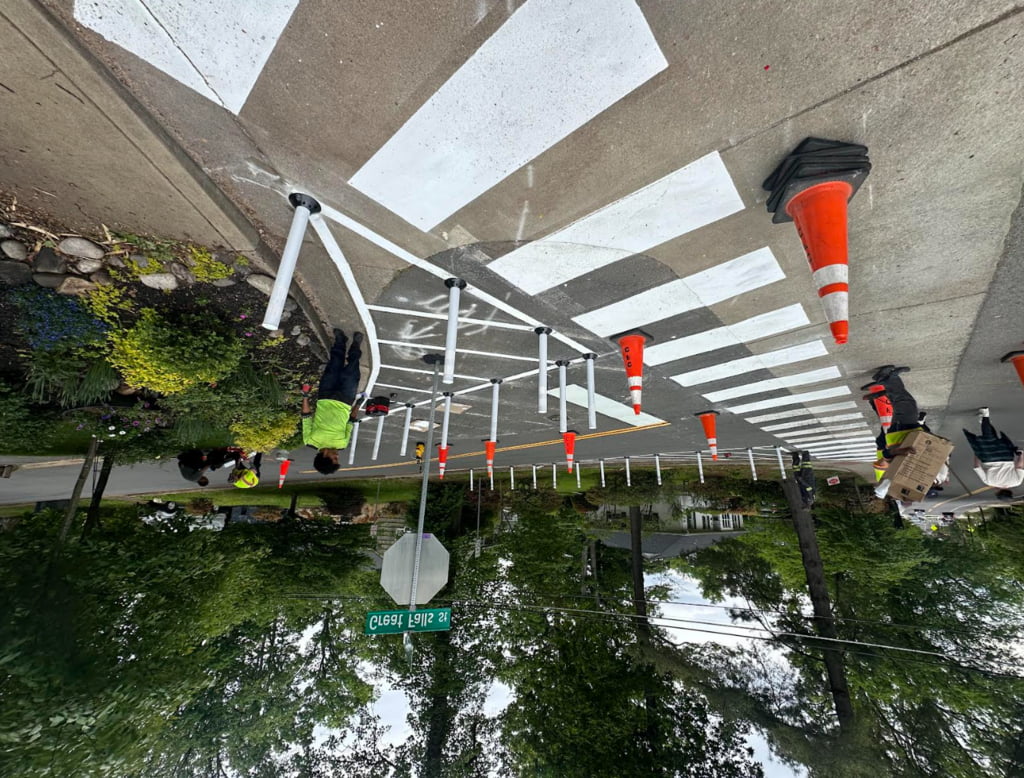
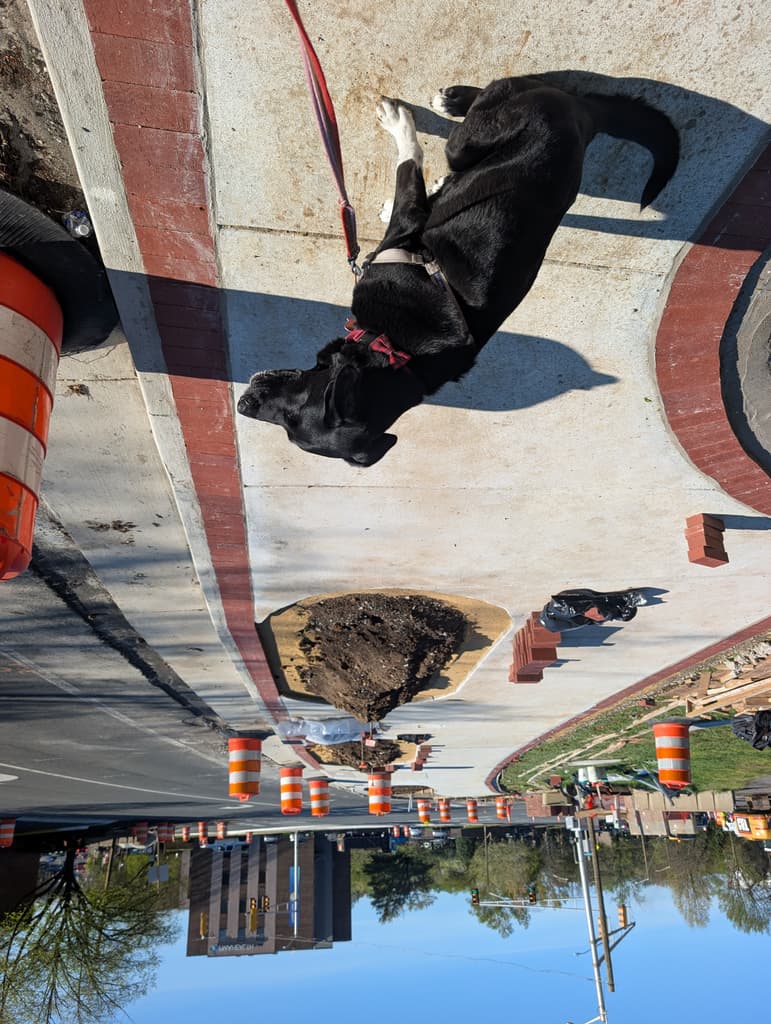
What needs to change: we know that our approach to traffic calming needs to evolve again to be faster and provide more throughput. Right now the NTC program has paused work on new cases until we get through the current queue and try a new approach. IMO, it needs to evolve in 2 ways: it should be more tops down and data driven.
“Give people a voice and not a veto.” Many of us live near these projects, walk, run, or bike around the city, and therefore have personal experience and input on the public streets. There are many examples where the current voting process clogs up the queue while everyone is debating the options or just a handful of people objects to a recommended safety solution. We can keep iterating on designs forever, but we also want to be responsive to the safety concerns and get these important projects built – which means there will need to be some “tops down” initiatives (that incorporate professional engineering standards, industry best practices, and adopted city policies) – we won’t be able to satisfy every suggestion. Bottoms up and listening to the community is important, but the process is resource intensive, slower, and often will water down the end solution such that we aren’t accomplishing the original safety or walkability goal.
We need to be willing to take a test and learn mentality and be nimble using data to make changes in our streets. Two years ago, we funded the “rapid response team” to more quickly address safety issues vs the 2+ years it takes through the Neighborhood Traffic Calming Program (the flexi posts are an example of the rapid response work). A cross functional team of police, public works, and planning is meeting monthly to review crash data and discussing changes to improve the streets – whether it’s street redesign, enforcement, or a combination. We should look at near miss data too – because if we have crashes and injuries, we’re too late! We need to be bolder where there are safety issues and focus our resources on the highest risk intersections and not reactive to the ones with the most complaints.
A deep dive on all things transportation – the NTC program, emergency routes, snow removal, etc – is scheduled for our July 20 work session and I’d welcome your thoughts before then. The CACT also meets the second Wed of each month and I know they’d welcome public comments and discussion with them as well.
What’s Coming Up:
May 18 – City Council Work Session*
May 26 – City Council Meeting*
June 1 – City Council Work Session*
June 3 – Ask the Council Office Hours (9 am, City Hall)
*All Mondays (except 5th Mondays and holidays) at 7:30 pm. You can access the agenda and livestream here, including recordings of past meetings